 Finding Similar Items...
FAQs Answered: How to use and clean Falcon Enamelware
Since its 1920s origins in the Black Country, Falcon Enamelware has been synonymous with British design and everyday kitchenware. The original enamelware brand is still instantly recognisable 100 years later, with its distinctive white body and royal blue rim.
Not only is Falcon Enamelware timelessly elegant, but it also has enduring strength. Made from porcelain fused onto heavy-gauge steel, Falcon Enamelware offers durability, a smooth finish, resistance against chemicals, and a long-lasting colour that will not burn.
If you’re a fan of resilient and versatile kitchenware, come with us as we answer your burning questions about this iconic brand, from its usability to cleaning tips.

Table of contents:
- Where is Falcon Enamelware made?
- What is Falcon Enamelware made of?
- What are the advantages and disadvantages of enamel cookware?
- How to use Falcon Enamelware
- Is Falcon Enamel cookware safe?
- Is Falcon Enamelware freezer safe?
- Is Falcon Enamelware oven-safe?
- Is Falcon Enamelware microwave-safe?
- Does Falcon Enamelware chip easily?
- Is it safe to use chipped Falcon Enamelware?
- How to clean Falcon Enamelware
- Is Falcon Enamelware dishwasher-safe?
Where is Falcon Enamelware made?
Since its inception in the Black Country, Falcon Enamelware’s showrooms and design hub have moved to Clerkenwell, London. The brand still fosters classic British hardiness in all its designs. Today, Falcon Enamelware is manufactured in East Asia, where each product undergoes rigorous quality control testing to produce the high-quality kitchen and tableware that has been used for the past century.
What is Falcon Enamelware made of?
Falcon Enamelware goes through a unique process to get its recognisable smooth and durable finish.
First, a sheet of steel is pressed into a Falcon Enamelware product form. Then, the mug, teapot, plate or oven dish is dipped in a thick liquid enamel glaze before being fired in a kiln.
During the kiln firing, the enamel hardens to form a smooth, durable outer coating on the steel.
Metal oxides are added to the enamel mix, which undergoes a chemical reaction in the kiln to give the enamelware its long-lasting colour.
Once fired, the iconic coloured rim is hand-painted, and the Falcon Enamelware crest is added to the base before it is put in the kiln again for its final firing.

What are the advantages and disadvantages of enamel cookware?
If you’re unsure whether Falcon Enamelware is for you, browse some of the advantages and disadvantages of cooking and using them.
Advantages
Are enamel-coated pans non-toxic, and is enamel cookware better than Teflon?
One of the main benefits of choosing enamel-coated Falcon cookware is that it is non-toxic. Unlike Teflon pans, enamel-coated cookware doesn’t release harmful chemicals like PFOA and PTFE when used for cooking, as found in some non-stick pan coatings.
Non-reactive surface
Unlike metal pans, enamel-coated cookware is non-reactive, making cooking with acidic food safer. If you cook tomatoes or citrus-based dishes, enamel-coated cookware won’t leave a metallic taste in your cuisine.
Easy cleaning
The smooth enamel surface helps prevent food from sticking to plates or ovenware, making the washing up feel effortless.
Durability
You can’t talk about Falcon Enamelware and not talk about durability; made with a steel-cast core and smooth enamel surface, any cookware or tableware from Falcon is highly durable and scratch-resistant.
Heat retention and distribution
The steel core in enamel-coated cookware provides excellent heat retention and even heat distribution, making the oven dishes ideal for slow-cooking, braising and baking.
Aesthetic appeal
Falcon Enamelware is available in various colours but always has that classic vintage British charm captured in the 1920s design, making them attractive decorative pieces for your crockery display cabinets.
Versatility
In addition, their versatility is exceptional. They are safe to use on most hobs and in the oven, as cookware or tableware, and lightweight enough to take on a picnic.
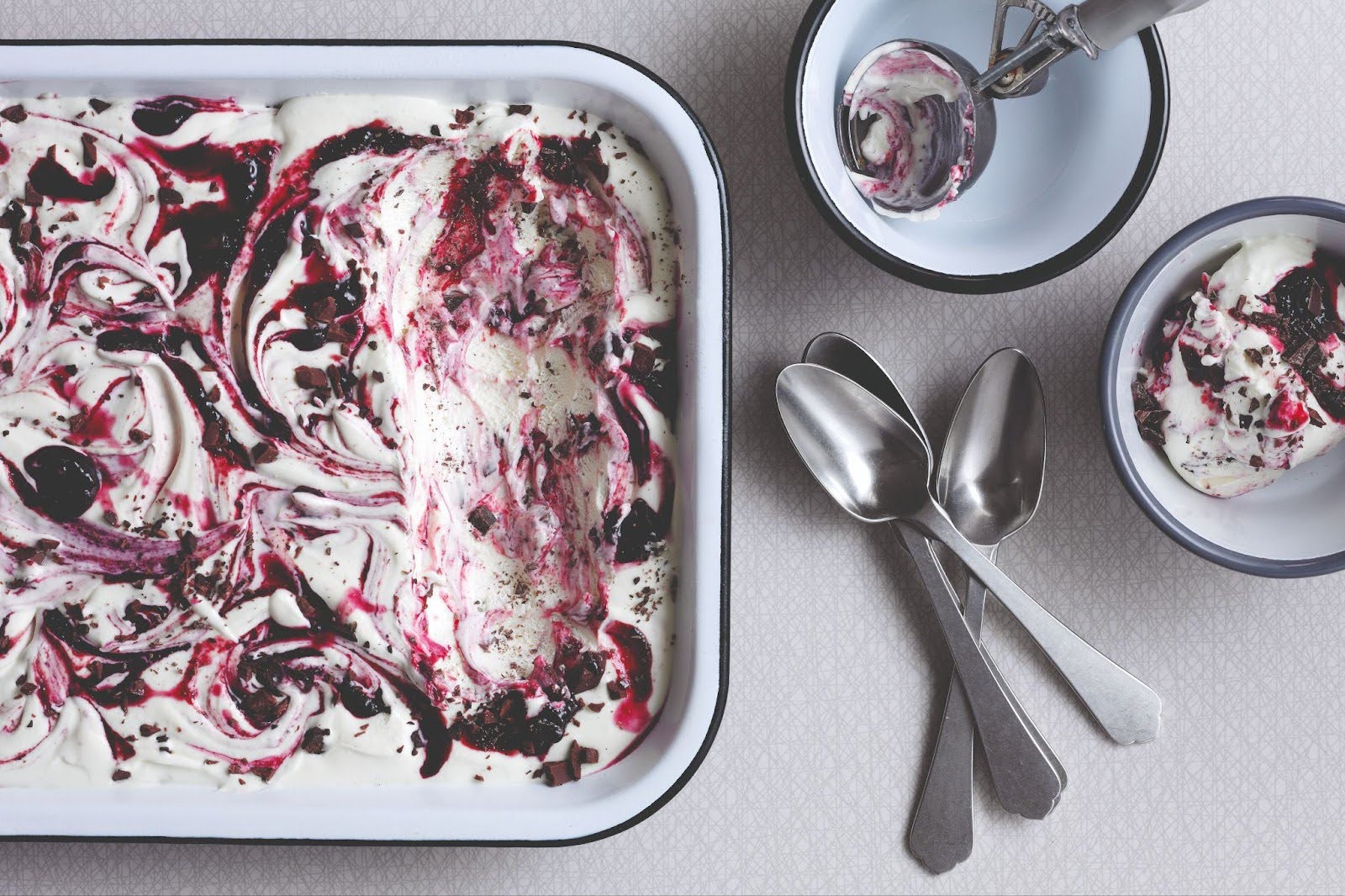
Disadvantages
Chips, scratches and cracks
Although Falcon Enamelware is incredibly hard-wearing and durable, it can be susceptible to chips and cracks. Remember always to use it with care to avoid dropping your enamel-coated cookware.
Furthermore, always leave your Falcon Enamelware to return to room temperature after taking it out of the fridge or freezer before putting it in the oven, or vice versa, to prevent the enamel from cracking due to thermal shock.
Also, avoid using abrasive cleaning tools, such as wire sponges, which can scratch the surface and metal utensils.
Not-fully non-stick
The lack of a non-stick coating definitely outweighs the disadvantage of your Falcon Enamelware being slightly non-stick. Alleviate this disadvantage by coating the oven dish or tray with oil or butter.
Limited high-heat use
Prolonged exposure to very high heat can damage the enamel surface over time, so avoid using Falcon Enamelware for searing or frying at high temperatures. Don’t exceed the recommended temperature limit of up to 530°F / 270°C.

How to use Falcon Enamelware
Falcon Enamelware is built to last, making it extremely versatile. Whether you want to use it for everyday cooking, baking or tableware, it will last for use after use. The fantastic thing about Falcon Enamelware is that it’s also incredibly lightweight. So, if you want the perfect picnicware for a quintessentially English summer picnic, Falcon Enamelware can withstand outdoor use as well and won’t be a burden to carry to your picnic location.
Read on for more usability tips.
Is Falcon Enamel cookware safe?
Yes! Falcon Enamel cookware is safe for food, cooking and baking for adults and children. Made from natural materials, it’s free of harmful chemicals like PFOA, PTFE, or lead. It’s also freezer, oven and dishwasher safe.
However, if your Falcon Enamelware is chipped, we don’t recommend giving it to children. Some chips could be sharp, and ingesting any enamel chips is dangerous.
Is Falcon Enamelware freezer safe?
Yes! If you want to preserve your cakes, bakes, or leftover food in the freezer, Falcon Enamelware will keep it safe and hygienic. Place your food items in a Falcon Enamel food container, cover them, and neatly place them in the freezer.
Once you are ready to defrost your food, always give your Falcon Enamelware adequate time to defrost before placing your dish or plate in the oven to avoid cracking.
Is Falcon Enamelware oven-safe?
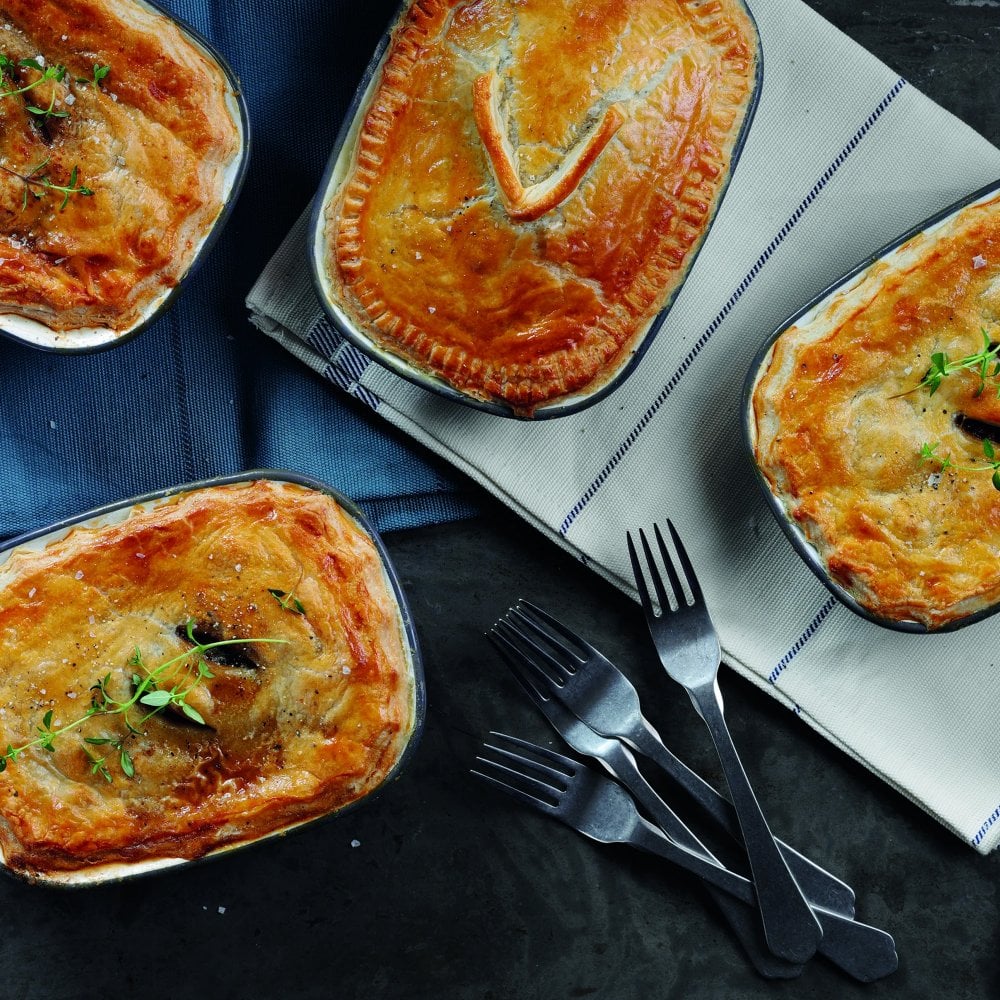
Yes! Falcon Enamelware is oven-safe up to 530°F / 270°C. So, whether baking a pie, tray bakes, a loaf of bread or roasting meat or vegetables, a Falcon Enamel oven tray is the perfect kitchen companion.
All Falcon Enamelware can also be used on gas and electric hobs, perfect for warming sauces or leftovers.
Is Falcon Enamelware microwave-safe?
No! If you are warming things in Falcon Enamelware, avoid the microwave! Due to the materials used in its production, Falcon Enamelware is not microwave-safe. Made from glass fused onto heavy-gauge steel, it’s not possible to cook or heat any food in the microwave using Falcon Enamelware.

Does Falcon Enamelware chip easily?
Although known for being durable and versatile, Falcon Enamelware can easily chip if not handled carefully. Dropping or banging your enamel-coated cookware against hard surfaces or using sharp utensils can cause chips in the glass-like outer coating.
Stacking your enamelware without protective padding, like dish towels or paper towels, can also result in chips as the rims rub together.
Is it safe to use chipped Falcon Enamelware?
Yes! Because Falcon Enamelware has a porcelain outer layer, if it’s dropped, it may chip, revealing the steel beneath. However, don’t throw out your Falcon Enamelware just yet! There is no need to worry; when the steel below is revealed, it naturally oxidises, remaining safe for food.
However, chipped areas can rust over time, so dry any chipped areas thoroughly after washing.
On the plus side, if you don’t mind a little chip here or there, we think it adds character and charm to your well-loved kitchen and picnicware.

How to clean Falcon Enamelware
When cleaning Falcon Enamelware, you can use a few tricks to keep your set clean and vibrant.
Tea stains
If you’re a tea lover and love the look of the traditional and quintessentially British Falcon Enamelware mugs and teapots, you will probably have encountered pesky tea stains, especially on the white porcelain. Simply use lemon juice or soak the stain in bicarbonate soda for half an hour to lift these challenging tea stains off your crisp enamel tea sets. Then, wash as normal.
Baked on food
After baking or roasting, we recommend soaking your Falcon Enamelware in warm, soapy water to help remove baked-on food. But avoid using abrasive sponges or brushes to prevent scratches on the enamel surface.
Easy cleaning hack
We recommend covering your pans and baking trays in a light layer of oil before cooking, which can help with cleaning after use.
Is Falcon Enamelware dishwasher-safe?
Yes! Alternatively, you can wash your Falcon Enamelware in the dishwasher; it is dishwasher-safe.

Where to buy Falcon Enamelware
With its iconic design, Falcon Enamelware is a British staple in any kitchen. It is robust, durable, and lightweight, and it will last for years to come, whether you’re cooking or baking, setting the table, or embarking on a classic British picnic.
If you love high-quality British design steeped in history and good value kitchenware that offers the durability you need, shop Falcon Enamelware at Cotswold Trading.
Related blogs:
Comments are closed here.